
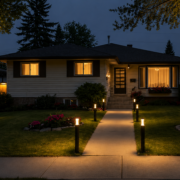
The Ultimate Guide to Planning Your Backyard Landscape Lighting Layout

A beautifully designed backyard shouldn’t disappear after sunset. With a well-planned landscape lighting layout, you can transform your outdoor space into a warm, inviting environment that’s perfect for relaxing, entertaining, and enjoying year-round.

Whether you’re adding lighting to a new landscape or upgrading an existing backyard, planning your lighting layout is the key to achieving a balanced, functional, and visually stunning result. Professional landscape lighting focuses on creating layers of light, highlighting focal points, and improving safety—rather than simply adding fixtures wherever it’s dark.

In this guide, we’ll walk you through the essential steps to designing a backyard landscape lighting layout that enhances both beauty and functionality.

Why Planning Matters

One of the most common mistakes homeowners make is treating outdoor lighting as an afterthought. A thoughtful layout ensures every fixture has a purpose, creating a cohesive design instead of isolated pools of light.

A professionally planned lighting system can:

  • Highlight your backyard’s best features
  • Improve visibility and safety after dark
  • Create inviting outdoor living spaces
  • Extend the use of your patio, deck, or garden into the evening
  • Enhance your home’s overall value and curb appeal
  • Reduce glare and avoid unnecessary light pollution

Step 1: Identify How You Use Your Backyard

Before selecting fixtures, think about how your family uses the space.

Ask yourself:

  • Do you entertain guests on the patio?
  • Is there an outdoor kitchen or dining area?
  • Do children play in the backyard?
  • Are there steps, pathways, or elevation changes?
  • Do you want to showcase gardens, trees, or water features?

Your answers will help determine where lighting is most important.

Step 2: Divide Your Backyard into Lighting Zones

Professional lighting designers typically organize a property into zones rather than treating it as one large area.

Common backyard lighting zones include:

Patio & Outdoor Living Area

Use soft ambient lighting to create a comfortable atmosphere for dining, relaxing, or entertaining.

Walkways & Garden Paths

Install path lights to guide movement safely while enhancing the landscape.

Trees & Landscape Features

Accent lighting and uplighting add depth by highlighting mature trees, ornamental shrubs, sculptures, or garden beds.

Decks & Steps

Integrated step lighting improves safety while creating a refined appearance.

Water Features

Ponds, fountains, and waterfalls become stunning focal points when illuminated with carefully positioned lighting.

Layering these zones creates a balanced design that’s both practical and visually appealing.

Step 3: Highlight Focal Points

Not everything in your backyard needs to be illuminated.

Instead, choose a few standout features, such as:

  • Mature trees
  • Decorative stonework
  • Pergolas
  • Fire pits
  • Outdoor fireplaces
  • Water features
  • Garden sculptures
  • Feature gardens

Strategic accent lighting naturally draws the eye and creates depth throughout the landscape.

Step 4: Layer Different Types of Lighting

The most beautiful outdoor spaces combine multiple lighting techniques.

Ambient Lighting

Provides overall illumination for seating and gathering areas.

Path Lighting

Enhances safety while defining walkways.

Accent Lighting

Highlights architectural or landscape features.

Uplighting

Creates dramatic effects by illuminating trees, columns, or textured walls from below.

Downlighting

Mounted in trees or structures to create a natural “moonlight” effect over patios and gardens.

Using several lighting techniques together results in a landscape that feels welcoming rather than overly bright.

Step 5: Choose the Right Fixture Placement

Fixture placement is just as important as fixture selection.

Professionally installed lighting avoids:

  • Visible glare
  • Harsh shadows
  • Uneven brightness
  • Over-illuminated areas

Instead, fixtures are positioned to create soft, even lighting while keeping the hardware discreetly hidden whenever possible.

Step 6: Select a Consistent Color Temperature

For most residential properties, warm white LED lighting between 2700K and 3000K provides a natural, welcoming appearance.

Using the same color temperature throughout your backyard creates a cohesive design and showcases plants, stonework, and architectural materials beautifully.

Step 7: Plan for Future Expansion

Many homeowners begin with lighting around the patio or front yard before expanding to additional areas.

When planning your system, consider future additions such as:

  • Outdoor kitchens
  • Garden expansions
  • Pergolas
  • New pathways
  • Pool or spa areas
  • Decorative landscaping

Planning ahead makes future upgrades easier and more cost-effective.

Why Professional Landscape Lighting Design Makes a Difference

While DIY lighting kits may seem convenient, they often lack the planning and precision needed for long-lasting results.

A professional landscape lighting designer considers:

  • Property layout
  • Fixture spacing
  • Beam angles
  • Voltage requirements
  • Transformer sizing
  • Weather-resistant installation
  • Long-term maintenance

The result is a customized lighting system that enhances your backyard while delivering reliable performance for years to come. Professionally designed systems emphasize thoughtful placement, energy-efficient LED fixtures, and lighting that complements your landscape rather than overpowering it.

Bring Your Backyard to Life After Dark

A well-planned backyard landscape lighting layout does more than brighten your outdoor space—it creates an inviting atmosphere where family and friends can gather long after the sun goes down.

By combining functional lighting with thoughtful design, you can showcase your landscape’s best features, improve safety, and increase your home’s overall appeal.

Whether you’re planning a complete outdoor renovation or simply adding lighting to an existing backyard, investing in professional design ensures your lighting system looks beautiful, performs efficiently, and continues to enhance your home for years to come.


FAQs


What is the best way to plan a backyard landscape lighting layout?

Start by identifying how you use your backyard, then divide the space into lighting zones such as patios, pathways, gardens, and focal points. Layer different lighting techniques to create a balanced and functional design.

How many landscape lights does a backyard need?

The number of fixtures depends on your property’s size, layout, and design goals. A professional lighting plan focuses on strategic placement rather than using as many lights as possible.

What areas of my backyard should be illuminated?

Patios, decks, walkways, stairs, seating areas, trees, gardens, water features, pergolas, and outdoor kitchens are all excellent candidates for landscape lighting.

What type of lighting is best for backyard entertaining?

Warm LED ambient lighting combined with accent lighting and path lights creates a comfortable atmosphere while improving visibility for guests.

Can landscape lighting improve backyard safety?

Yes. Proper lighting around stairs, walkways, entrances, and changes in elevation helps reduce trip hazards and makes it easier to navigate your outdoor spaces after dark.

Should I use warm or cool white outdoor lighting?

Warm white lighting (2700K–3000K) is typically recommended for residential landscapes because it creates a welcoming appearance and complements natural materials such as stone, wood, and plants.

Can I expand my landscape lighting system later?

Absolutely. Many professionally installed low-voltage LED systems are designed to accommodate future additions as your landscape evolves.

Why hire a professional landscape lighting company?

A professional designer creates a customized lighting plan based on your property’s layout, architectural style, and lifestyle needs. Proper fixture placement, wiring, and system design ensure long-lasting performance, energy efficiency, and an elegant nighttime appearance.

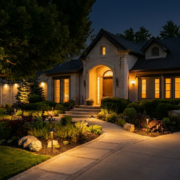
Illuminating Curb Appeal: 5 Professional Landscape Lighting Design Secrets

First impressions matter—and your home’s exterior is the first thing visitors, neighbors, and potential buyers notice. While landscaping and architectural details play a significant role in curb appeal, one of the most effective ways to elevate your property’s appearance is with professionally designed landscape lighting.

A well-planned outdoor lighting system does more than brighten your yard. It showcases your home’s best features, improves safety, creates a welcoming atmosphere, and extends the enjoyment of your outdoor spaces long after the sun goes down.

In this guide, we’ll reveal five professional landscape lighting design secrets that can transform your home’s curb appeal while adding lasting value.

Why Landscape Lighting Is an Investment in Your Home

Professional landscape lighting combines beauty with functionality. Rather than simply adding lights around your property, a custom lighting design creates depth, balance, and visual interest.

Benefits of professionally designed landscape lighting include:

  • Enhanced curb appeal day and night
  • Increased safety for walkways, stairs, and entrances
  • Improved home security with well-lit outdoor spaces
  • Greater enjoyment of patios, decks, and gardens
  • Increased property value
  • Energy-efficient illumination with modern LED technology

The difference between a professionally designed lighting system and a DIY installation often comes down to thoughtful planning, fixture placement, and lighting techniques.

Secret #1: Highlight Your Home’s Best Architectural Features

Professional designers never try to illuminate everything. Instead, they focus on the elements that make your home unique.

Consider highlighting:

  • Stone or brick facades
  • Columns and entryways
  • Decorative trim
  • Large windows
  • Garage architecture
  • Covered porches

Strategically placed uplights create depth and dimension without overwhelming the home’s exterior.

The goal is to draw attention to your property’s character while maintaining a natural, elegant appearance.

Secret #2: Layer Different Types of Landscape Lighting

One of the biggest mistakes homeowners make is relying on a single type of outdoor light.

Professionals use multiple lighting layers to create balance and functionality.

These layers may include:

Path Lighting

Guides visitors safely along walkways while adding visual charm.

Accent Lighting

Highlights trees, sculptures, gardens, and architectural details.

Wall Washing

Provides soft, even illumination across walls and fences.

Uplighting

Creates dramatic effects on trees, columns, and textured surfaces.

Downlighting

Simulates natural moonlight from elevated fixtures for a soft, inviting glow.

Layering these techniques creates a cohesive design that feels both functional and sophisticated.

Secret #3: Less Is Often More

More light doesn’t necessarily create a better result.

Over-lighting can create glare, harsh shadows, and an unnatural appearance that detracts from your home’s beauty.

Professional designers focus on:

  • Proper beam angles
  • Balanced brightness
  • Controlled light distribution
  • Warm, inviting illumination

Subtle lighting often creates a far more luxurious and elegant effect than excessive brightness.

Secret #4: Choose the Right Color Temperature

Not all outdoor lighting produces the same look.

The color temperature of your fixtures plays a major role in the overall atmosphere.

For most residential properties, warm white LED lighting (typically between 2700K and 3000K) creates a welcoming, comfortable ambiance while accurately showcasing landscaping and architectural materials.

Cooler lighting may be appropriate for certain modern commercial settings but can appear harsh in residential landscapes.

Consistency in color temperature throughout the property helps create a polished, professional appearance.

Secret #5: Design for Both Beauty and Function

The best landscape lighting plans balance aesthetics with everyday usability.

A professional design considers how your family uses the property after dark.

Common priorities include:

  • Illuminating front entrances
  • Lighting driveways and walkways
  • Improving stair visibility
  • Enhancing backyard entertaining areas
  • Highlighting landscape focal points
  • Increasing nighttime security

A thoughtful lighting plan ensures your outdoor spaces remain both attractive and practical throughout the year.

Why Professional Landscape Lighting Makes a Difference

Professional designers evaluate much more than fixture selection.

They consider:

  • Property layout
  • Architectural style
  • Existing landscaping
  • Fixture placement
  • Beam spread
  • Light intensity
  • Wiring requirements
  • Transformer capacity
  • Long-term maintenance

This comprehensive approach creates a lighting system that looks natural, performs efficiently, and enhances your property for years to come.

Increase Your Home’s Curb Appeal with Expert Landscape Lighting

Whether you’re looking to make a memorable first impression, improve outdoor safety, or create a more enjoyable outdoor living space, professional landscape lighting is one of the most valuable investments you can make.

A carefully designed system enhances your home’s unique character while delivering beauty, security, and functionality every evening.

If you’re ready to transform your property’s curb appeal, working with experienced landscape lighting professionals ensures a customized design that complements your home and lifestyle.

FAQs


Why is landscape lighting important for curb appeal?

Landscape lighting highlights your home’s architectural features, landscaping, and pathways, creating a welcoming appearance after dark. A professionally designed system adds depth, elegance, and visual interest that enhances curb appeal.

What are the best areas to illuminate around my home?

Focus on front entrances, walkways, driveways, trees, gardens, architectural details, patios, and outdoor living areas. A balanced lighting plan highlights key features without overwhelming the property.

What is the ideal color temperature for residential landscape lighting?

Warm white LED lighting between 2700K and 3000K is generally recommended because it creates a comfortable, inviting atmosphere while complementing most home exteriors and landscaping.

Does landscape lighting increase property value?

Yes. Professionally installed landscape lighting can improve curb appeal, enhance safety, and make outdoor spaces more functional, all of which contribute to a property’s perceived value and marketability.

Are LED landscape lights worth the investment?

Absolutely. LED fixtures use less energy, have a much longer lifespan than traditional bulbs, require less maintenance, and provide consistent, high-quality illumination.

How many landscape lights does my home need?

The number of fixtures depends on your property’s size, layout, architectural features, and lighting goals. A professional lighting design focuses on strategic placement rather than simply adding more fixtures.

Can landscape lighting improve home security?

Yes. Properly illuminated entrances, pathways, driveways, and dark areas around your property help improve visibility and discourage unwanted activity while making it easier to navigate your outdoor spaces safely.

Why should I hire a professional landscape lighting designer?

Professional designers create customized lighting plans that balance beauty, functionality, energy efficiency, and long-term performance. They ensure proper fixture placement, wiring, and lighting techniques for the best possible results.

Modern, Minimalist, or Classic? How to Choose the Perfect Landscape Lighting Style for Your Home

When homeowners think about improving their outdoor spaces, they often focus on gardens, patios, or walkways. However, one of the most impactful upgrades is professional landscape lighting. The right lighting not only enhances curb appeal but also improves safety, extends outdoor living spaces, and highlights your home’s architectural beauty after sunset.

But with so many design options available, one question often comes up:

Should you choose a modern, minimalist, or classic landscape lighting style?

The answer depends on your home’s architecture, personal preferences, and how you use your outdoor spaces. In this guide, we’ll help you understand the differences between these popular lighting styles so you can make the perfect choice.

Why Landscape Lighting Style Matters

Landscape lighting isn’t just about brightness—it’s about creating an atmosphere.

A thoughtfully designed lighting system can:

  • Increase your home’s curb appeal
  • Highlight architectural details
  • Create a welcoming outdoor environment
  • Improve nighttime safety
  • Increase property value
  • Make entertaining outdoors more enjoyable

Choosing fixtures that complement your home’s design ensures everything feels intentional rather than mismatched.

Modern Landscape Lighting

Modern landscape lighting emphasizes clean lines, simplicity, and functionality.

Best For:

  • Contemporary homes
  • New construction
  • Homes with geometric architecture
  • Minimalist landscapes

Characteristics

  • Sleek black or matte finishes
  • Hidden or low-profile fixtures
  • Sharp lighting angles
  • LED technology
  • Minimal decorative elements

Modern lighting often focuses on subtle elegance rather than making the fixtures themselves the focal point.

Popular Applications

  • Path lighting
  • Linear wall washing
  • Under-step lighting
  • Accent lighting on modern landscaping
  • Driveway illumination

If your home features large windows, clean architectural lines, or contemporary materials, modern lighting creates a seamless look.

Minimalist Landscape Lighting

Although often confused with modern design, minimalist lighting goes one step further.

The philosophy is simple:

Less fixture visibility. More visual impact.

Best For

  • Zen-inspired gardens
  • Scandinavian homes
  • Luxury residences
  • Homes with uncluttered landscaping

Characteristics

  • Soft, indirect illumination
  • Hidden fixtures
  • Warm white lighting
  • Focus on natural textures
  • Reduced visual clutter

Minimalist lighting allows the landscape itself to become the star.

Rather than illuminating everything, it selectively highlights key elements such as ornamental trees, stone pathways, or water features.

Classic Landscape Lighting

Classic lighting creates warmth, elegance, and timeless charm.

Best For

  • Traditional homes
  • Colonial architecture
  • Craftsman homes
  • Estate properties

Characteristics

  • Decorative lantern-style fixtures
  • Bronze or copper finishes
  • Warm ambient lighting
  • Symmetrical placement
  • Traditional design details

Classic lighting complements homes with brick, stone, or traditional architectural features.

Rather than dramatic contrasts, the emphasis is on balance and inviting ambiance.

Which Style Matches Your Home?

Here are some general recommendations:

Choose Modern If:

  • Your home has contemporary architecture.
  • You prefer clean, sophisticated aesthetics.
  • You enjoy smart home technology and energy-efficient LEDs.

Choose Minimalist If:

  • You prefer subtle elegance.
  • You want lighting that blends into the landscape.
  • You appreciate simple, uncluttered outdoor design.

Choose Classic If:

  • Your home has traditional architecture.
  • You enjoy timeless elegance.
  • You want warm, welcoming outdoor spaces.

Can You Mix Lighting Styles?

Absolutely.

Professional lighting designers often blend styles to create a customized look.

For example:

  • Modern pathway lights with classic uplighting
  • Minimalist garden lighting paired with decorative entry fixtures
  • Contemporary architectural lighting with traditional backyard ambiance

The key is maintaining consistency in color temperature, fixture quality, and overall design.

Consider Function Before Style

Beautiful lighting should also be practical.

Think about your priorities:

  • Security lighting around entrances
  • Safe illumination for stairs and walkways
  • Accent lighting for gardens and trees
  • Patio lighting for entertaining
  • Driveway visibility

A professional lighting plan balances both aesthetics and functionality.

Why Professional Landscape Lighting Design Matters

Choosing fixtures online is only part of the process.

Professional designers consider:

  • Beam angles
  • Fixture placement
  • Light intensity
  • Energy efficiency
  • Wiring and transformer sizing
  • Seasonal landscape changes

The result is a cohesive lighting system that enhances your property without creating glare or uneven illumination.

Final Thoughts

Every home has its own personality, and your landscape lighting should reflect it.

Whether you prefer the sleek sophistication of modern lighting, the understated elegance of minimalist design, or the timeless appeal of classic fixtures, a professionally planned system can dramatically transform your outdoor space.

The best landscape lighting doesn’t simply illuminate—it tells the story of your home while creating beauty, comfort, and security for years to come.

FAQs


What is the most popular landscape lighting style?

Modern landscape lighting is currently one of the most popular choices because it complements contemporary architecture and uses energy-efficient LED technology. However, the best style depends on your home’s design and personal preferences.

How do I know which landscape lighting style suits my home?

Consider your home’s architectural style, exterior materials, and landscaping. Contemporary homes often pair well with modern fixtures, while traditional homes typically look best with classic lighting designs.

Can I combine modern and classic landscape lighting?

Yes. Many professionally designed lighting systems blend styles to achieve a balanced, customized appearance. Consistency in lighting color and placement helps create a cohesive look.

Is minimalist landscape lighting bright enough?

Yes. Minimalist lighting focuses on strategic placement rather than high brightness. It provides sufficient illumination while maintaining a subtle, elegant appearance.

What color temperature is best for outdoor landscape lighting?

Warm white lighting (around 2700K–3000K) is generally preferred for residential landscape lighting because it creates a welcoming, natural ambiance while highlighting architectural and landscape features.

Does landscape lighting increase property value?

Professionally designed landscape lighting can enhance curb appeal, improve safety, and create attractive outdoor living spaces, making your home more appealing to potential buyers.

Are LED landscape lights better than traditional lighting?

Yes. LED landscape lights consume less energy, last significantly longer, require less maintenance, and provide consistent illumination compared to traditional bulbs.

Should I hire a professional for landscape lighting installation?

Professional installation ensures proper fixture placement, wiring, beam angles, and overall system performance. A well-designed lighting plan delivers better aesthetics, improved safety, and long-term reliability.